
Jun 30, 2026
Early Orthodontic Checks for Kids: Why Ages 6-10 Matter
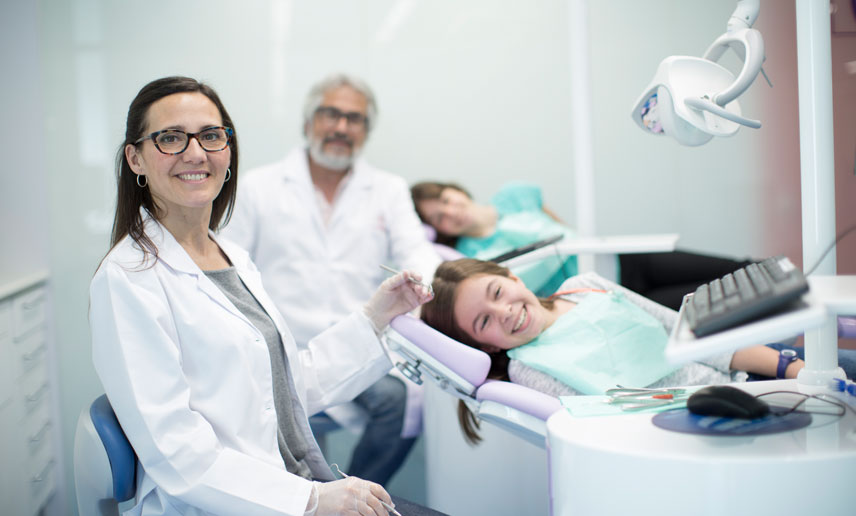
The ages of 6 to 10 are a busy time for growing smiles. Baby teeth are making way for adult teeth, jaws are developing, and small habits can have a big impact. A quick, specialist check during these years can spot issues early and guide growth in a gentle, child-friendly way.
Early interceptive orthodontics is not about putting braces on every child. It is about assessing growth, stopping unhelpful habits, and creating space for adult teeth to come through in a healthier position. With timely care, many families find that later treatment is shorter and simpler.
At SmileStyle Orthodontics, we see children from Capalaba and Loganholme for free first assessments. We use iTero 3D scans to show you what we see, then discuss whether simple monitoring or a small early step could make a meaningful difference.
The best time for a first orthodontic check
The Australian Society of Orthodontists recommends a first check by age 7. In practical terms, anywhere between 6 and 10 is a great window. The front adult teeth usually arrive around age 6 to 8, and the first adult molars come in behind the baby teeth. This is when crowding, crossbites, and bite asymmetries often show up.
If your dentist or school dental service raises a concern earlier, bring your child in sooner. If everything looks on track, we will simply monitor growth and invite you back for brief reviews.
Signs your child may benefit from early help
Every child grows at their own pace, so do not worry if you notice one or two of these. They are simply signs worth checking with a Specialist Orthodontist:
- Crowding or overlapping front teeth soon after they erupt
- A crossbite, where top teeth bite inside the lower teeth on one side or the front
- Persistent thumb or finger sucking beyond age 5 to 6
- Mouth breathing, snoring, or a narrow upper jaw appearance
- Early or late loss of baby teeth, or baby teeth that refuse to loosen
- Front teeth that do not meet, or a noticeable underbite or overbite
- Difficulty biting or chewing, speech lisping, or frequent cheek biting
If you are unsure, a quick, no-pressure assessment can give you clear guidance.
How early interceptive treatment works
Early treatment is tailored to your child’s needs and usually gentle. Common options include:
Habit appliances
Small, custom devices that help stop thumb or finger sucking and allow the bite to normalise as your child grows.
Carriere Motion Appliance
A low-profile device that helps correct a developing bite imbalance early, often reducing the time needed in braces or aligners later.
Invisalign® First
Clear aligners designed for growing children. Guided by an iTero 3D scan, they can help expand arches, make room for erupting teeth, and improve alignment with minimal impact on speech and eating.
Not every child needs an appliance. Sometimes the best plan is active monitoring with growth-friendly tips, then a review in 6 to 12 months. When treatment is recommended, we will walk you through the steps using iTero 3D visualisations so you know exactly what to expect.
Why ages 6 to 10 make a difference
During these years, the jaws are more responsive to gentle guidance. Addressing issues like narrow arches or crossbites early can improve facial growth, reduce tooth wear, and make room for permanent teeth.
The benefits often include:
- Improved jaw development and facial balance
- Lower chance of impacted teeth, extractions, or complex care later
- Shorter and simpler Phase 2 treatment in the teen years
- Easier brushing and hygiene as teeth erupt in better positions
Every smile is unique, and outcomes vary, yet interceptive steps often make later treatment smoother.
Can early treatment reduce future costs?
Early checks can reduce overall costs by making later treatment more straightforward. When we create space for adult teeth, correct a crossbite early, or stop a thumb-sucking habit, we often prevent complications that take longer and cost more to fix in the teen years.
You might still need a second phase, such as braces or Invisalign® as a teen, but it is typically shorter and less invasive. We will provide a phase-by-phase outline so you can plan with confidence.
For families exploring aligners later on, you can read more about fees and payment-plan examples on our page that explains orthodontic costs in Brisbane. This can help you understand how timing, complexity, and appliance type affect overall investment.
A simple parent checklist for early orthodontic health
Use this quick checklist to decide if it is time to book a visit:
- My child is 6 to 10 years old, and the first adult teeth have appeared
- I notice crowding, a crossbite, or front teeth that do not meet properly
- Thumb or finger sucking is still a habit, especially at night
- There are biting, chewing, or speech difficulties
- Baby teeth are lost very early or seem stubborn to loosen
- I want peace of mind about jaw growth and space for adult teeth
If you tick any of these, a free assessment can give you clarity and a plan.
Planning around school holidays
School holidays are ideal for orthodontic starts and check-ins. Children have time to settle in with a new appliance or aligners, and there is less disruption to routines.
If an appliance is recommended, the first few days at home help children adjust comfortably. We can often book scans, fittings, and follow-up checks within the same holiday block to keep things simple for families.
Why choose SmileStyle Orthodontics for early care
Specialist-led planning
Dr Michael Tselepis creates individualised growth plans and explains them in plain language.
Child-friendly visits
Our team is known for being gentle, patient, and supportive, especially with anxious kids.
Digital-first approach
iTero 3D scanning provides clean, quick records and treatment planning without messy impressions.
Flexible options
From habit appliances to Invisalign® First, plus clear guidance on whether monitoring is all that is needed.
If you are comparing options for clear aligners in our area, discover how we plan and deliver Invisalign® for kids and teens using iTero scans and structured reviews.
For families looking for a local orthodontist in Capalaba or Loganholme, our locations make appointments easy to fit around school and sport.
Quick FAQ for parents
When should a child see an orthodontist?
By age 7 is a good rule of thumb, and any time from 6 to 10 is valuable. If a concern appears earlier, book sooner.
What signs indicate my child might need early help?
Crowding, crossbites, thumb or finger sucking that continues past early primary school, difficulty biting or chewing, early or late loss of baby teeth, or front teeth that do not meet.
Can early treatment reduce future costs?
Often, yes. Early guidance can shorten or simplify teen treatment and reduce the likelihood of complex corrections. Exact costs vary by case, and we provide a clear, step-by-step plan before you decide.
Next steps
A 20 to 30 minute chat can give you peace of mind and a simple plan. Book an assessment at SmileStyle Capalaba or SmileStyle Loganholme these school holidays.
Call 3806 2081 or email enquire@michaeltselepis.com to reserve a time that suits your family.
Helpful links
Learn how we plan and deliver Invisalign® care in Brisbane at our clear aligners page.
Find our Capalaba clinic details and directions when you are ready to visit.
We are here to make early care straightforward and reassuring, so your child can grow into a confident, healthy smile.
70 Bryants Road Shailer Park Queensland 4129 Australia
- Monday - Friday
- 8am - 5pm
- Wednesday
- Closed
- Saturday
- Closed
- Sunday
- Closed
Suite 4 76 Old Cleveland Rd Capalaba Queensland 4157 Australia
- Wednesday only:
- 8am - 5pm