
Apr 17, 2026
Retainers after braces and Invisalign®: why they matter
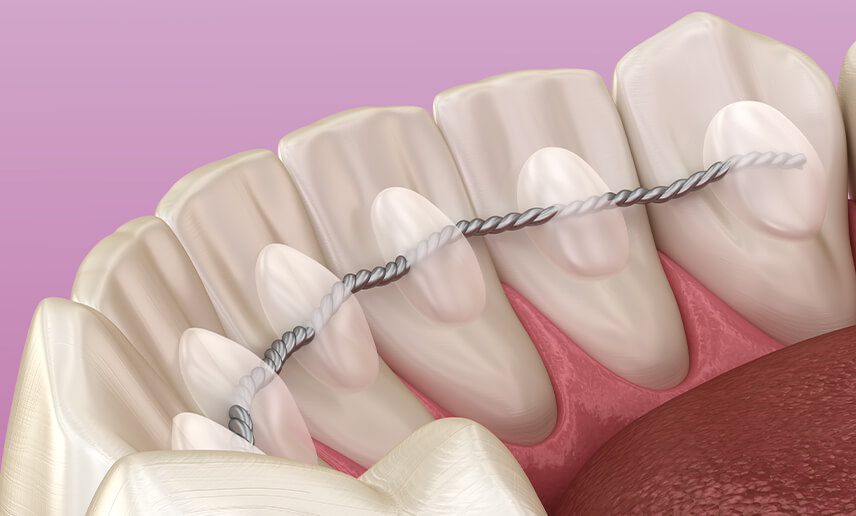
You put in the time and effort to straighten your teeth with braces or Invisalign®. Now comes the quiet hero of long-term results, your retainer. It does not move teeth, it holds them where your orthodontist planned them to be.
Without consistent retention, teeth can slowly drift. That does not mean your treatment failed. It means your teeth and gums are living tissues that respond to everyday forces like chewing, speaking, and growth. The solution is simple and proven, wear your retainers as advised and keep them in good condition.
At SmileStyle Orthodontics, retention is part of your plan from day one. We use iTero 3D scanning to design retainers that fit comfortably and help protect your smile results for the long term.
What retainers do, and why every smile needs one
After active treatment, fibres in the gums and the periodontal ligament need time to settle. Some teeth are more likely to rotate back, small gaps can reopen, and late lower jaw growth can nudge alignment. Retainers support the teeth while these tissues reorganise, and they continue to counter everyday pressures over time.
Think of a retainer like a seatbelt for your new smile. Most people need some level of lifelong wear to keep teeth looking the way they finished.
How long do you need to wear retainers?
Your plan will be personalised, but a typical pathway looks like this:
First 3 to 6 months: full-time wear for removable retainers (22 hours a day, removing only for meals and cleaning). Fixed wires stay in place 24/7.
Months 6 to 12: transition to nights only for removable retainers, usually 7 to 10 hours per night.
Beyond 12 months: ongoing night-time wear. Many adults and teens keep a simple habit of wearing retainers a few nights a week indefinitely.
Life changes, growth and bite forces vary, so we will review your schedule at check-ups and adjust as needed.
Fixed versus removable retainers
At SmileStyle Orthodontics, we offer two main options, often used together for added security.
Fixed retainers: a slim, custom wire bonded to the inner surface of the front teeth (usually canine to canine). Invisible when you smile, always on duty, and great for maintaining alignment of the most movement-prone teeth. You will floss with a threader or interdental brushes, and we will monitor the bonding at your reviews.
Removable clear retainers: a transparent, custom-moulded tray that fits over your teeth. Discreet, comfortable, and easy to clean. They can be worn full-time at first, then nights only for maintenance. Because they are removable, they suit busy schedules, school sport, and exam periods.
Many patients choose a fixed lower retainer plus removable clear retainers for upper and lower arches at night. Your orthodontist will advise what best protects your specific result.
Comfort, appearance, durability and lifestyle
Comfort: clear retainers are smooth and low profile; fixed wires are barely felt after a short adjustment.
Appearance: both options are discreet. Fixed wires sit behind the teeth; clear retainers are nearly invisible.
Durability: fixed retainers can last many years with good hygiene, though occasional rebonding may be needed. Clear retainers can wear or crack over time, so plan for periodic replacements.
Lifestyle: for sport or music, a removable retainer can be taken out and stored in a case. For teens who misplace things, a fixed wire removes the risk of loss. For work and presentations, either option keeps attention on your smile, not your appliances.
Retainer care and hygiene tips
Rinse and brush your removable retainer daily with a soft brush and mild soap, then air-dry. Avoid hot water, it can warp the plastic.
Soak in a retainer cleaner as recommended, especially if you notice odour or buildup.
Always store in a protective case. Pockets, napkins and pets are common reasons for lost or damaged retainers.
Brush carefully around fixed wires with an interdental brush; floss with a threader or use superfloss.
If a fixed wire loosens or a removable retainer feels tight or cracked, contact us promptly.
What happens if you stop wearing your retainer?
Relapse often starts subtly. You might notice a slight twist in a front tooth or a small gap returning. Once movement occurs, a retainer may no longer fit, and active retreatment could be needed.
Two quick scenarios show the impact:
Consistent wearer: wears clear retainers nightly. Ten years on, alignment remains stable.Occasional retainer replacements cost far less than new treatment.
Intermittent wearer: stops retainers for 6 months. The lower front teeth crowd, the upper retainer no longer seats fully. A new scan and partial retreatment are needed to recapture alignment, adding time and cost.
Retention is usually the most cost-effective path. Small, steady habits now protect your investment and your smile.
How SmileStyle Orthodontics plans retention
Your retention is planned with the same care as your treatment. We take iTero 3D scans to design fixed and removable retainers that fit precisely, and we review wear-time with you so it suits school, sport and work. Our team is friendly, supportive and experienced with children, teens and adults, and we are happy to review your current retainers even if you finished treatment elsewhere.
If you are deciding between treatment options, you can also learn about clear aligners with our Diamond Invisalign® provider, Dr Michael Tselepis. Read more about Invisalign in Brisbane and aligner care on our site.
For a helpful overview of treatment choices and fees, you can explore our page covering braces and Invisalign costs in Brisbane. If you are closer to Shailer Park or Capalaba, you can meet the team at our Loganholme and Capalaba locations for local support before and after treatment.
Quick FAQ: braces, aligners and costs in Queensland
How much do braces cost in Queensland? Fees vary by case complexity and the type of braces. Practices typically provide a personalised quote after assessment. At SmileStyle Orthodontics, we discuss flexible payment options at your free consultation.
Are braces covered by Medicare? Medicare does not usually cover orthodontic treatment. Some patients may claim part of the cost through private health insurance extras, depending on their policy.
How can I get free braces in Australia? Fully free braces are uncommon. In limited situations, public dental schemes or hospital programs may support treatment based on medical need and eligibility criteria. Availability varies by state, and wait times can apply. Speak with your dentist or local health service for current information.
What can the cheapest braces cost? The lowest advertised prices often reflect limited treatment or specific conditions. True costs depend on your diagnosis, appliances, and review schedule. A comprehensive quote from a Specialist Orthodontist is the safest way to compare.
Is Invisalign® more expensive than braces? Costs can be similar, and the difference depends on the case and plan. Some patients find aligners and braces are in a comparable range, while others see a difference based on treatment goals and duration.
How do I choose between braces and clear aligners? Consider lifestyle, clinical needs, visibility, and your ability to follow wear-time instructions. Braces work continuously without relying on daily wear; aligners are removable and discreet but must be worn 20 to 22 hours a day. A specialist assessment will match the approach to your goals.
When to replace or review a retainer
Contact us if your retainer feels tight, clicks on, cracks, or shows wear; if your fixed wire feels rough or loose; or if you notice movement in any tooth. Most issues are simple to fix if we see you early.
Key takeaways
Retainers are essential for long-term stability after braces or Invisalign®.
Fixed wires and removable clear retainers each offer advantages, and many patients benefit from both.
Consistent night-time wear and simple care habits are the best insurance for your smile. If you lose or damage a retainer, act quickly to prevent unwanted movement.
Ready to protect your smile results or review your current retainers?
Book a free consultation to personalise your retention plan. Call 3806 2081 or email enquire@michaeltselepis.com.
70 Bryants Road Shailer Park Queensland 4129 Australia
- Monday - Friday
- 8am - 5pm
- Wednesday
- Closed
- Saturday
- Closed
- Sunday
- Closed
Suite 4 76 Old Cleveland Rd Capalaba Queensland 4157 Australia
- Wednesday only:
- 8am - 5pm